
Advice
Common Questions About Men's Nutrition? Get Answers
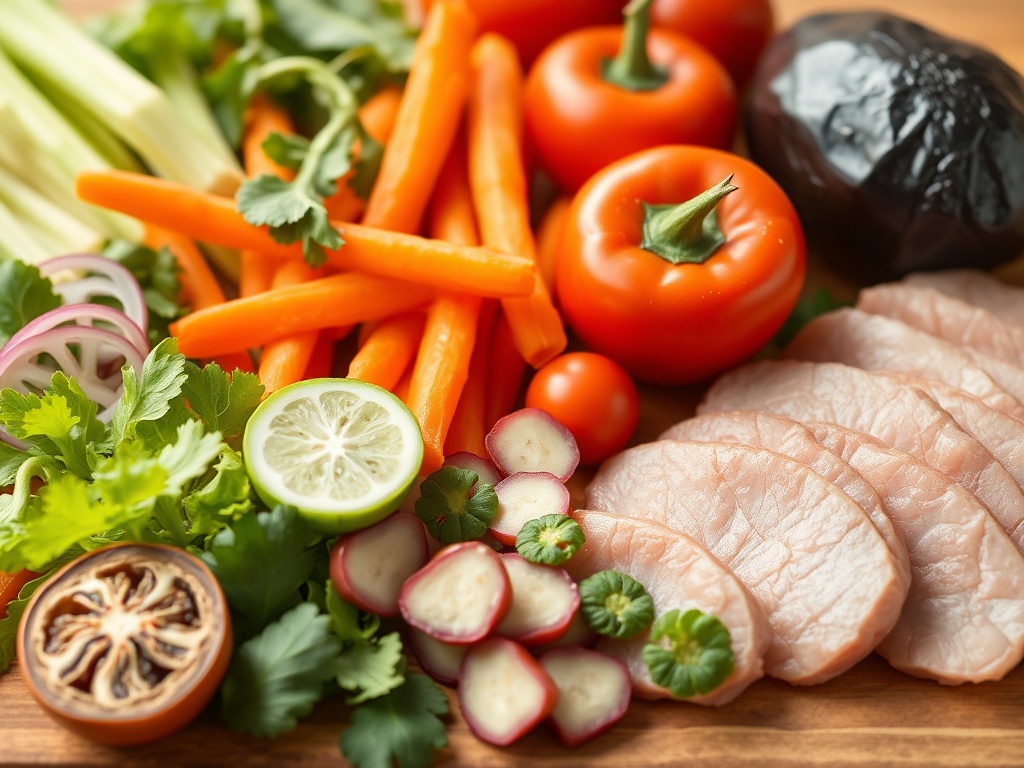
What should men eat daily?
Proper nutrition for men focuses on building lean muscle, maintaining energy levels, and supporting overall health. A balanced diet rich in protein, complex carbohydrates, healthy fats, and micronutrients forms the foundation. Men should prioritize whole foods like lean meats, fish, eggs, beans, vegetables, and whole grains. Adequate hydration and strategic meal timing around workouts enhance performance and recovery. Understanding your individual caloric needs based on activity level ensures sustainable results.
Why is nutrition important for men's health?
Nutrition directly impacts men's physical performance, mental clarity, hormonal balance, and disease prevention. Quality nutrition supports muscle development, bone density, cardiovascular health, and immune function. Men face unique nutritional challenges including higher caloric needs, specific micronutrient requirements, and metabolic considerations. Proper fueling improves workout recovery, reduces fatigue, and promotes longevity. Investing in nutrition prevents chronic diseases like diabetes, heart disease, and obesity while enhancing quality of life.
What are the essential nutrients every man should include in his diet?
Essential nutrients for men include protein for muscle maintenance, iron for oxygen transport, zinc for testosterone production, magnesium for muscle function, B vitamins for energy metabolism, and omega-3 fatty acids for heart health. Calcium and vitamin D support bone strength, especially important as men age. Antioxidants from fruits and vegetables protect against cellular damage. Men typically need 50-60 grams of protein daily, adjusting upward for athletes. Comprehensive supplementation addresses gaps when whole foods fall short.
How much protein do men really need daily?
Protein requirements depend on age, activity level, and fitness goals. Sedentary men need approximately 0.8 grams per kilogram of body weight. Active men and athletes require 1.2-2.2 grams per kilogram to support muscle growth and recovery. For a 180-pound man, this translates to 65-180 grams daily depending on exercise intensity. Protein should come from varied sources: poultry, fish, beef, eggs, legumes, and dairy. Distributing protein across meals optimizes muscle protein synthesis throughout the day.
What is the best pre-workout nutrition strategy?
Pre-workout nutrition should arrive 1-3 hours before exercise, combining carbohydrates for energy and moderate protein for muscle support. Good options include oatmeal with banana, whole grain toast with peanut butter, or Greek yogurt with berries. Avoid excessive fiber and fat immediately before workouts as they slow digestion. Hydrate well with water or electrolyte drinks. Simple carbs 30-60 minutes before intense exercise provide quick energy. Timing and composition significantly influence workout performance and endurance.
How should men approach post-workout nutrition?
Post-workout nutrition within 30-60 minutes accelerates recovery by replenishing glycogen and initiating muscle repair. Consume protein and carbohydrates in a 1:3 to 1:4 ratio—for example, 30 grams protein with 90-120 grams carbs. Excellent options include whey protein with rice cakes, chicken with sweet potato, or Greek yogurt with granola. This window maximizes muscle protein synthesis and glycogen restoration. Proper post-workout fueling reduces soreness, improves next-day performance, and supports consistent training progress.
Feel free to customize these nutrition guidelines for your personal health goals

What foods boost testosterone naturally?
Testosterone support comes from nutrient-dense foods including oysters and shellfish rich in zinc, fatty fish high in omega-3s, eggs containing cholesterol for hormone synthesis, beef providing iron and B vitamins, and berries with antioxidants. Olive oil, nuts, and seeds deliver healthy fats essential for hormone production. Cruciferous vegetables like broccoli contain compounds supporting hormone balance. Avoid excess alcohol and processed foods that suppress testosterone. Consistent strength training combined with proper nutrition maximizes natural testosterone levels.
How can men lose weight while maintaining muscle?
Successful weight loss preserving muscle requires moderate calorie deficit of 300-500 calories daily, prioritizing high protein intake of 1.6-2.2 grams per kilogram, and maintaining strength training. Whole foods like lean meats, vegetables, legumes, and whole grains prevent hunger while supporting muscle. Resistance training signals the body to preserve muscle during calorie reduction. Progressive overload in workouts, adequate sleep, and consistent nutrition create the ideal environment for fat loss. Patience and consistency outperform extreme measures.
What supplements should men consider for health and performance?
Key supplements for men include whey protein for convenient amino acids, creatine monohydrate for strength and muscle gains, omega-3 fish oil for cardiovascular and joint health, vitamin D for bone health and immunity, magnesium for muscle function and sleep quality, and zinc for testosterone production. Multivitamins address nutritional gaps, and beta-alanine improves endurance performance. Quality matters—choose third-party tested brands. Supplements enhance but never replace whole food nutrition and consistent training.
How important is hydration for men's athletic performance?
Hydration critically impacts strength, endurance, temperature regulation, and cognitive function during exercise. Men should drink 15-20 ounces of water 2-3 hours before workouts, 8-10 ounces every 10-20 minutes during exercise, and 16-24 ounces post-workout for every pound lost. Individual needs vary with sweat rate, climate, and exercise intensity. Electrolyte drinks during intense sessions exceeding 60 minutes improve hydration efficiency. Chronic dehydration reduces performance, increases injury risk, and compromises recovery. Monitor urine color—pale yellow indicates good hydration.
What dietary changes improve energy levels throughout the day?
Sustained energy comes from consistent meals combining protein, complex carbs, and healthy fats that prevent blood sugar spikes and crashes. Include whole grains, legumes, fruits, and vegetables for fiber supporting steady digestion. Limit refined sugars and processed foods causing energy crashes. Spread meals evenly throughout the day with balanced macronutrients at each. Stay hydrated, manage stress, prioritize sleep, and incorporate movement. Iron-rich foods combat fatigue, while B vitamins support energy metabolism. Strategic nutrition stabilizes mood and cognitive function.
How should men adjust nutrition as they age?
Aging men should increase protein intake to 1.0-1.2 grams per kilogram to combat muscle loss. Vitamin D and calcium become increasingly important for bone density. Omega-3s support heart health and cognitive function. Sodium moderation helps manage blood pressure. Metabolism slows with age, requiring calorie adjustments to prevent weight gain. Include antioxidant-rich foods combating age-related cellular damage. Regular strength training combined with proper nutrition preserves muscle mass and functional capacity. Annual health assessments guide personalized nutritional strategies.


Get your personalized nutrition assessment
Expert guidance for men's health and fitness nutrition